Recovery is a critical component of high-level performance for the Pace University Women’s Lacrosse team. Because these athletes engage in intense conditioning, running, and weight training almost every day, maintaining muscle health is essential for long-term success. Recently, two freshman players utilized the university training facility to address significant soreness in their quadriceps and lower legs. The answer was cold plunging.
The Recovery Process
Before beginning their treatment, the athletes described their legs as feeling both heavy and tight. They chose a traditional cold plunge over contrast therapy, which is an alternative method involving three-minute intervals between hot and cold water. Their specific recovery protocol included the following steps:+1
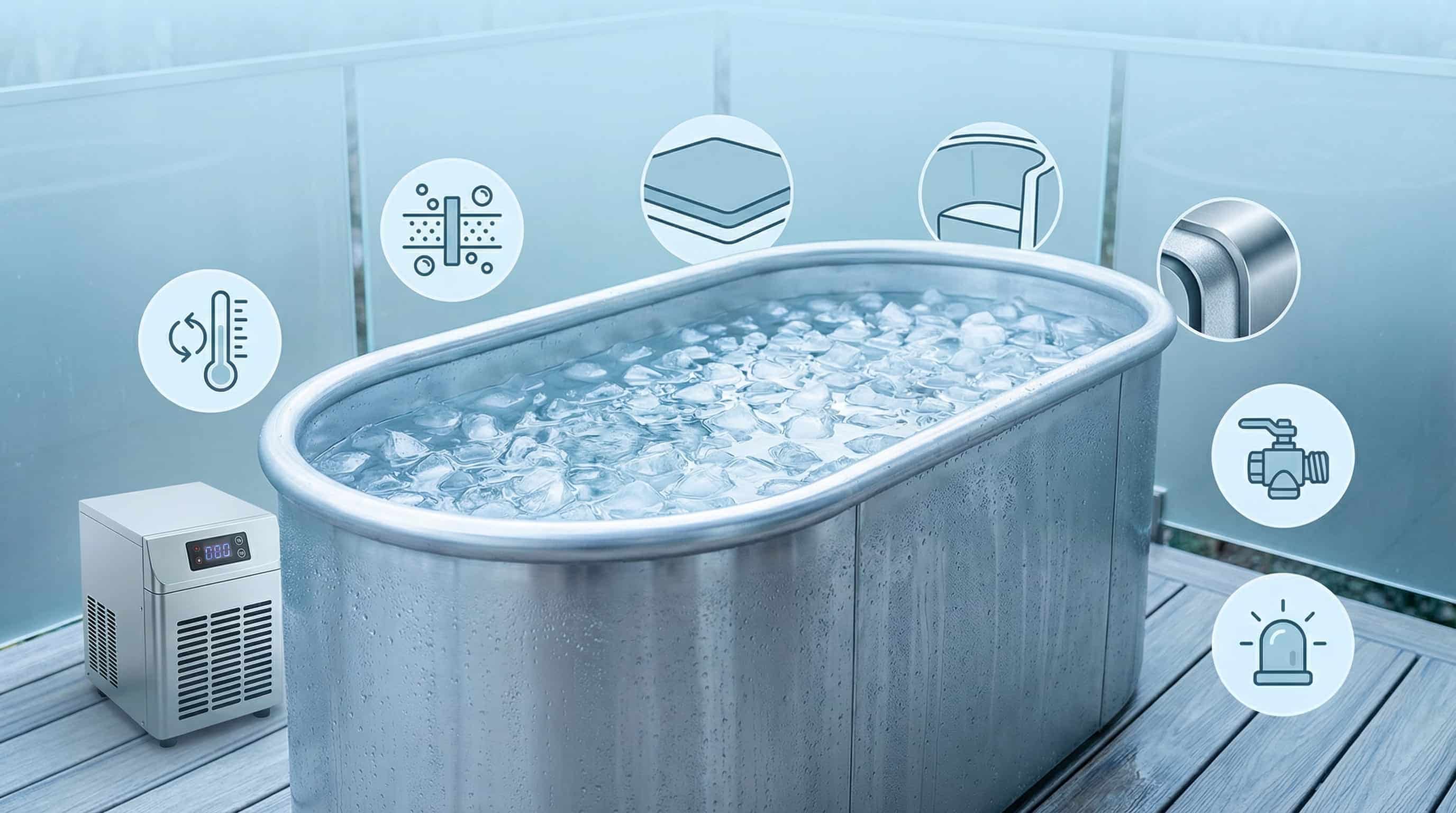
- The training tub was filled with a mixture of ice and water.
- Athletes remained immersed from the waist down for five to seven minutes.
- Participants focused on slow and controlled deep breathing to manage the intense cold exposure.+1
Results and Long-Term Benefits
The immediate feedback from the players was overwhelmingly positive as they reported instant relief. The cold temperature effectively numbed their muscles and reduced the sensation of tightness. By the next day, both athletes noted that their legs felt stronger and significantly improved.+2
The benefits of the treatment were further evidenced two days later when both players expressed a desire to repeat the process. This experience highlights how dedicating a short window of time to muscle recovery can have a meaningful impact on an athlete’s overall performance.

The Bio-Mechanics of “Turf Legs”: Why Lacrosse is Different
While many sports involve running, lacrosse is played primarily on synthetic turf or densely packed grass, which provides significantly less shock absorption than a track. This leads to a condition often called “turf legs”—a specific type of fatigue where the constant pounding causes micro-vibrations in the bone and connective tissue.
By utilizing cold immersion, these athletes are not just helping their muscles; they are addressing tendinous inflammation. The cold helps to constrict the blood flow to the tendons around the knee and ankle, which are notoriously slow to heal due to their naturally low blood supply. For a collegiate athlete, this “vascular gymnastics” of shrinking and expanding the vessels is the most efficient way to keep connective tissues supple and reactive over a grueling four-month season.
Overcoming the “Freshman Wall” with Cryotherapy
In collegiate sports, freshman players often hit what is known as the “Freshman Wall”—a point midway through the first semester where the jump in intensity from high school to NCAA Division II athletics becomes overwhelming. This is where injuries typically occur.
The use of the training tub serves as a preventative “pre-hab” measure. By managing soreness before it becomes a chronic strain, these players are able to maintain their mechanical integrity. When a player’s quadriceps are too sore, their gait changes, which often leads to compensatory injuries in the lower back or opposite hip. The cold plunge acts as a corrective tool, ensuring that the athletes move symmetrically and powerfully, effectively bypassing the physical “wall” that sidelines so many young players.
Strategic Breathing: The Invisible Recovery Tool
During the five to seven minutes in the ice, the Pace athletes didn’t just sit; they practiced controlled deep breathing. This is a critical component of the recovery protocol. The initial shock of cold water triggers the “gasp reflex,” a sympathetic nervous system response.
By consciously slowing their breath, the players were forcing their brains to switch from a state of panic to a state of parasympathetic dominance. This teaches the body to “relax into the stress.” For an elite lacrosse player, this mental training is invaluable. It mirrors the composure needed in the “critical scoring area” of the field, where the ability to remain calm while physically exhausted determines whether a shot finds the back of the net or misses the target.
The Contrast of Methods: Cold Plunge vs. Active Recovery
While some trainers advocate for “active recovery” (light jogging or swimming), the cold plunge offers a unique advantage for the Pace University team: absolute metabolic rest. Active recovery still requires the recruitment of muscle fibers and the expenditure of ATP.
In contrast, the cold plunge allows the muscular system to undergo a deep recovery phase without any further mechanical stress. For athletes who are already training six days a week, this “zero-load” recovery is often more beneficial than light exercise. It allows the central nervous system to take a break from sending motor signals, giving the entire “human machine” a chance to recalibrate before the next whistle blows.