

Topic: Immune Function & Performance Optimization
The Paradigm Shift: Biology Over Boardrooms
In the corporate world, billions are spent annually on “wellness programs,” ergonomic furniture, and complex benefits packages.1 The goal is always the same: reduce liability and maximize human output. Yet, the most effective tool for mitigating the cost of absenteeism might not be a new policy—it might be a plumbing adjustment.
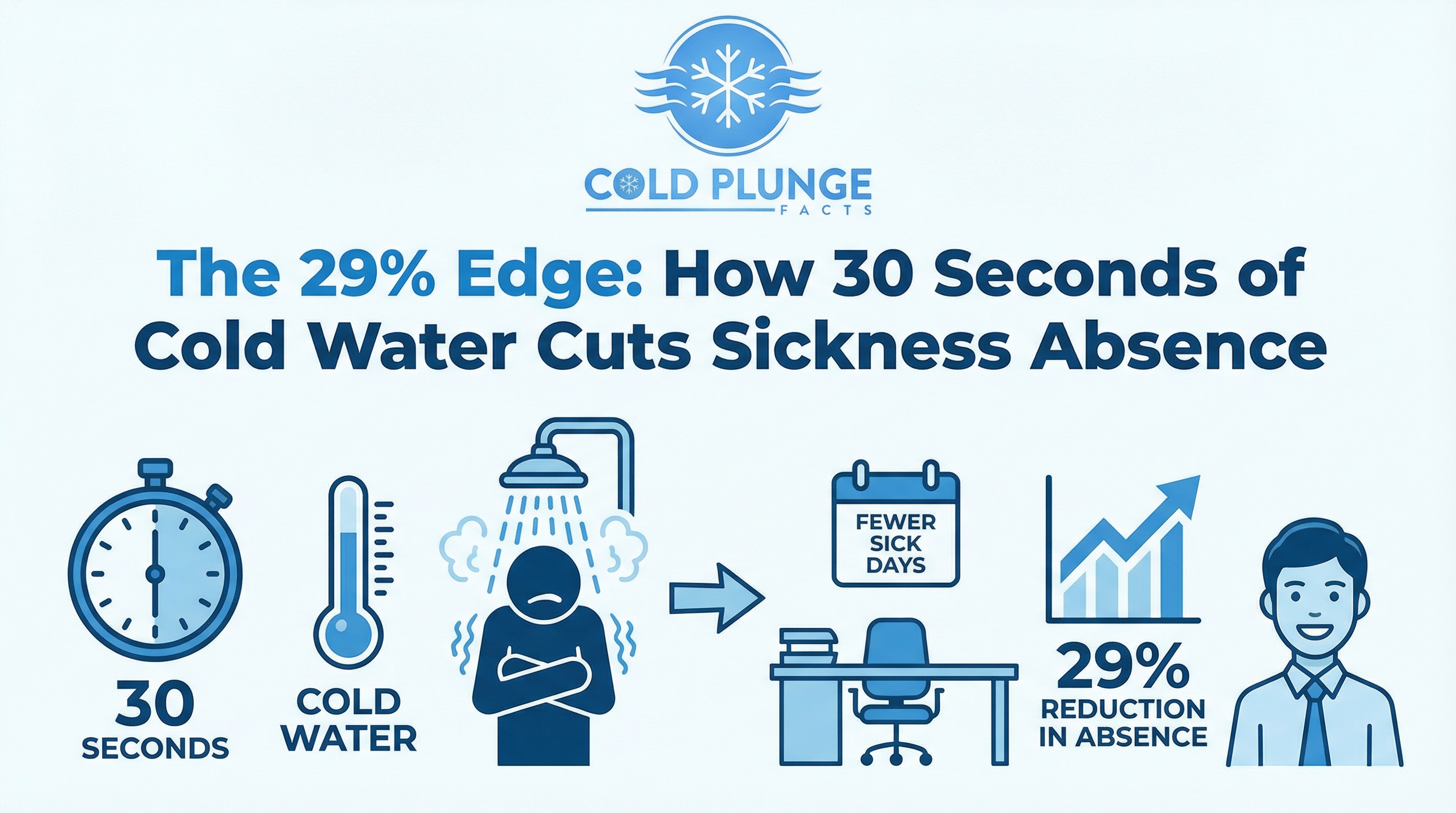
A landmark study from the Netherlands involving over 3,000 participants has quantified a biological reality that high-performers have long suspected: thermal stress acts as a shield against functional collapse. The data reveal that a simple daily cold water protocol can reduce sickness absence by 29%.2 This is not just health advice; it is an operational efficiency strategy.
The Problem: The Vulnerable System
To understand the significance of this finding, we must define the biological problem: Sickness Behavior.
When the average human contracts a pathogen—a common cold or mild flu—the body triggers a systemic inflammatory response. This response is characterized by lethargy, brain fog, and a desire to withdraw from activity. This is “sickness behavior,” an evolutionary mechanism designed to conserve energy.
However, in the modern high-performance environment, this response is often disproportionate. The immune system is reactive, not proactive. Without a stimulus to keep it sharp, the body succumbs to the “slump” of viral infection, leading to lost days, lost focus, and lost momentum.
The Mechanism: The “Fire Drill” for Your Immune System
How does cold water prevent you from calling in sick? The mechanism is a dual-pathway involving immunomodulation and neuroendocrine activation.
- The Leukocyte Spike: Thermal stress triggers an immediate fight-or-flight response. The body perceives the cold as a threat and mobilizes white blood cells (leukocytes) into the bloodstream.
- The Catecholamine Dump: The shock of cold water causes a massive release of norepinephrine and epinephrine (adrenaline).3
The Analogy: Think of your immune system like a security team in a quiet building. If nothing happens for months, they get complacent. A cold shower is a daily “fire drill.”4 It wakes the security team up, forces them to patrol the hallways (bloodstream), and ensures they are ready to react instantly when a real intruder (virus) appears.
The Evidence: The Buijze Study
The study, published in the peer-reviewed journal PLOS ONE (Buijze et al.), serves as the gold standard for this protocol due to its scale and rigorous design.
- The Sample: 3,018 healthy adults.
- The Method: Participants were randomized into groups finishing their daily showers with 30, 60, or 90 seconds of cold water, compared to a control group who took only warm showers.
- The Result: The cold groups demonstrated a 29% reduction in sickness absence compared to the control group.5
The Resilience Nuance:
Crucially, the study found that the cold shower group contracted viruses at roughly the same rate as the warm shower group. They still got the sniffles.
However, they did not call out of work. Their reported energy levels were higher, and their perceived symptom severity was lower. The cold water didn’t put them in a sterile bubble; it made them resilient. It biochemically overrode the “sickness behavior,” allowing them to power through mild illness rather than succumbing to bed rest.
The Protocol: The “CEO’s Reset”
You do not need a cryochamber to access this physiological edge. The data indicates that the benefits plateaued after 30 seconds, meaning the “minimum effective dose” is highly accessible.
- The Routine: Shower with warm water as usual.
- The Switch: For the final 30 to 90 seconds, turn the water to the coldest available setting.
- The Focus: Do not hyperventilate. Focus on controlling the breath to dampen the panic response.
- Frequency: Daily. The study showed that consistency was the primary variable for success.
The After: Operational Resilience
Implementing this protocol shifts the biology from a reactive state to a proactive state. By spiking adrenaline and mobilizing immune cells daily, the body maintains a higher baseline of readiness.
For the high-performer, this translates to reliability. It turns a potential three-day sick leave into a minor inconvenience, preserving productivity and momentum.