Many people view Lucy Spraggan through a lens frozen in 2012. They remember an X Factor stage and a flat cap, along with a viral acoustic song about “Beer Fear.” However, the decade following that debut was not a victory lap. It was a grueling trek through the hollow lows of trauma and sexual assault. Her nervous system felt permanently stuck in high-alert gear.
Today, Lucy’s transformation serves as a blueprint for holistic recovery. She is over five years sober and is both a published author and a qualified fitness professional. While she credits running and lifting with changing her silhouette, she credits cold plunging with something much more profound. It allowed her to reclaim her sovereign mind.
1. The Biological Reset: How Lucy Spraggan found the Sober High
When Lucy Spraggan chose sobriety in 2019, she faced a challenge common to those in recovery known as the “gray world.” After years of artificial dopamine spikes from alcohol, the brain’s natural reward system often feels flat. Life can seem dull. The temptation to return to a substance for a spark of joy is immense.
This is where the ice bath enters the story.
Biologically, a cold plunge is more than just a physical shock. It is a neurochemical explosion. Research suggests that immersion in water below 10°C can increase baseline dopamine levels by up to 250%. This dopamine release is steady and sustained. Crucially, it follows a period of effortful friction. Lucy noted that after removing alcohol, her body began asking where it would get dopamine now. The ice provided a natural pharmacy. It offered a post-dip high that she says packs a punch without the morning-after regret.
2. Training the Panic Response: The Vagus Nerve Hack
Perhaps the most visceral part of Lucy Spraggan’s story is her use of cold water to treat hypervigilance and PTSD. Following a horrific sexual assault during her time on X Factor, Lucy’s body lived in a state of constant panic. She described feeling like danger was everywhere during simple tasks like walking down a street.
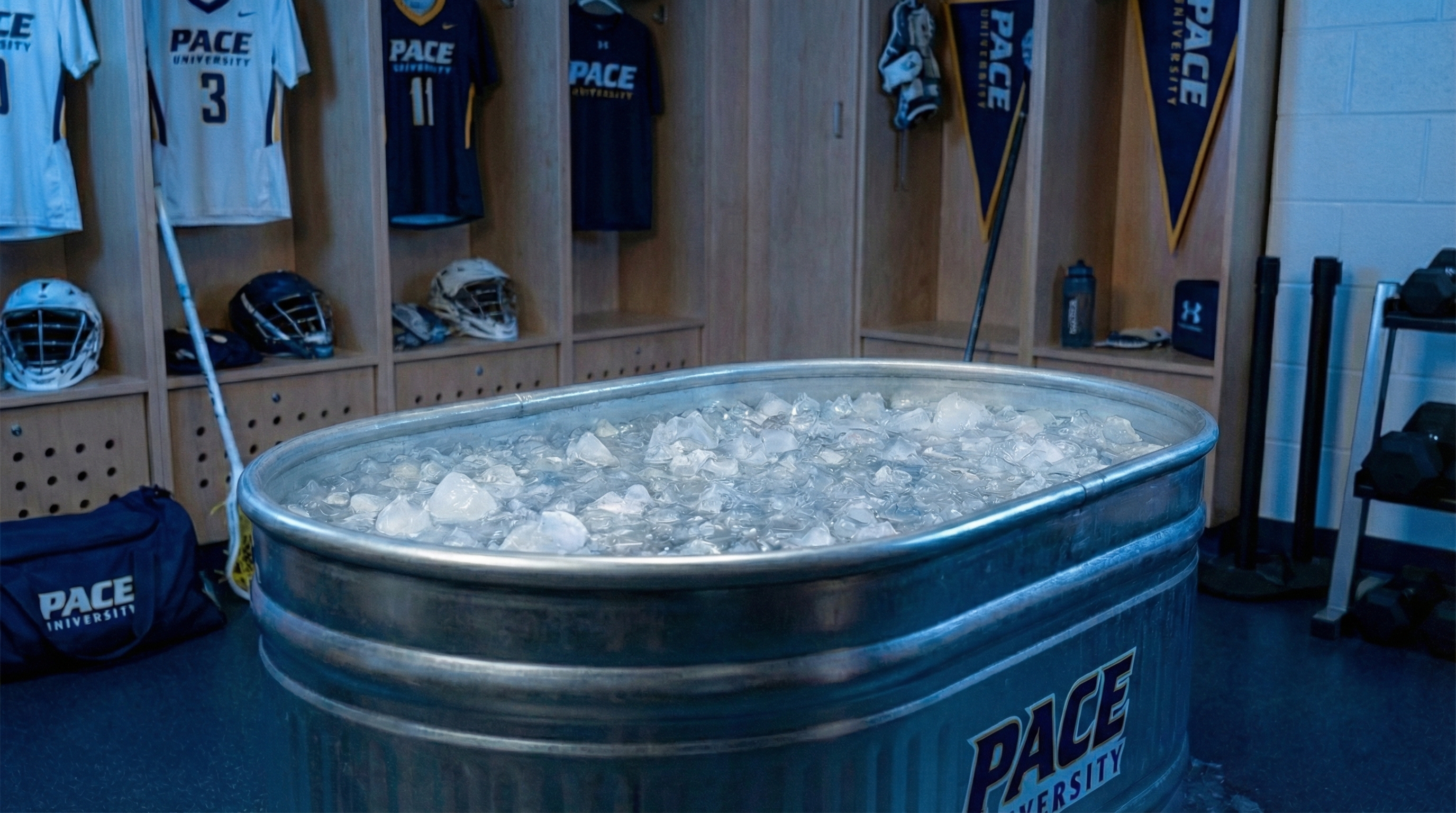
When she first submerged herself in an 8°C barrel, she had a revelation. The physical shock of the ice felt exactly like a panic attack. Instead of jumping out, she stayed. Guided by breathwork expert David Jackson, she practiced a technique called humming. This involves a continuous ‘ohm’ during exhalation.
By staying in the water and forcing her body to find stillness, she was essentially rewiring her survival instincts. She taught her brain that the physical symptoms of fear did not mean she was in actual trouble.
3. The Inner Governor and the Strength of No
Beyond the chemistry, Lucy Spraggan speaks about the voice in our heads that begs us to take the path of least resistance.
In the ice, that voice is deafening. It tells you to hit snooze or skip the dip. Lucy argues that every morning she ignores that voice, she is flexing the muscle of discipline. This mental callosity translated directly to her career and personal life. If she could withstand freezing water for several minutes, she could handle a difficult legal meeting or a sudden craving for a drink. The ice taught her that discomfort is temporary while the pride of discipline is permanent.
4. Radical Transparency: The After of the After
Lucy’s story resonates because she refuses to sugarcoat the process. She has been radically honest about the surgeries she required after losing weight. She also speaks openly about the reality of dealing with body dysmorphia even after achieving a dream physique.
She has not simply replaced one addiction with another. She has traded a destructive coping mechanism for a constructive one. She has moved from being a singer who used alcohol to numb her stage fright to a human submarine who uses the cold to find her center. Her message to her followers is simple. The ice does not make the problems go away. Instead, it makes you the kind of person who is capable of solving them.

Specific Video and Technique
In her documentation for the Evening Standard and various social clips, Lucy Spraggan explains the Humming Technique she learned from David Jackson.
- The Goal: Switch the body from the Sympathetic nervous system to the Parasympathetic state while under extreme stress.
- The Method: As you enter the water, take a deep breath in through your mouth. As you exhale, produce one continuous hum like an “ohm” at the end of yoga.
- Why It Works: The vibration of the hum stimulates the Vagus nerve. This sends a signal to your heart to slow down.