Alternative Options To Blood Sugar Control
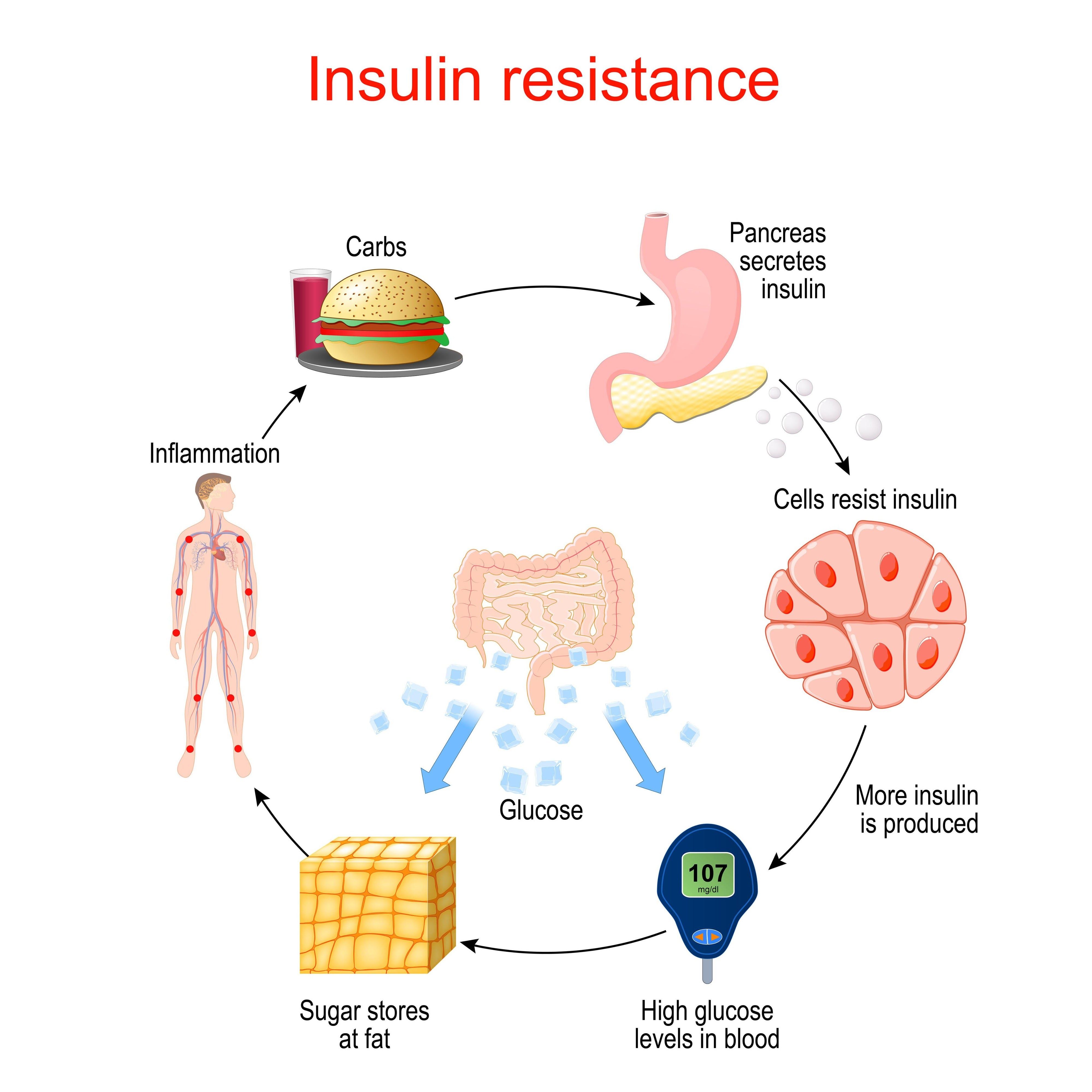
For decades, the management of blood glucose has centered entirely on one hormone: Insulin. We are taught that when we eat carbohydrates, blood sugar rises, and the pancreas releases insulin to unlock our cells and let the energy in.
However, in an era of epidemic insulin resistance, that “front door” is often jammed. New data suggests there is another way in that improves insulin sensitivity without relying solely on insulin. Research identifies cold-induced shivering as a “glucose sink”, a physiological state that forces muscles to rapidly clear sugar from the bloodstream independent of insulin. This is not just a calorie-burning trick; it is a metabolic bypass that could redefine how we approach glycemic control.
The Biological Problem: The Jammed Lock (Insulin Resistance)
To understand why the “glucose sink” is revolutionary, we must first understand the failure point in modern metabolism: Insulin Resistance. Modern metabolism often fails due to insulin resistance, making blood sugar control difficult and reducing overall insulin sensitivity.

The “Backdoor” to Blood Sugar Control and Insulin Sensitivity
For decades, the management of blood glucose has centered entirely on one hormone: Insulin. We are taught that when we eat carbohydrates, blood sugar rises, and the pancreas releases insulin to unlock our cells and let the energy in.
However, in an era of epidemic insulin resistance, that “front door” is often jammed. New data suggests there is another way in. Research identifies cold-induced shivering as a “glucose sink”, a physiological state that forces muscles to rapidly clear sugar from the bloodstream independent of insulin. This is not just a calorie-burning trick; it is a metabolic bypass that could redefine how we approach glycemic control.
Mechanism I: The “Backdoor” (Insulin-Independent Uptake)
How does cold water clear sugar without using the insulin “key”? The answer lies in the mechanics of muscle contraction.
When you enter cold water and begin to shiver, your muscles undergo rapid, repeated contractions. To fuel this intense mechanical work, the muscle cells need immediate energy. Biologically, this triggers the translocation of the GLUT4 transporter to the cell surface.
Usually, GLUT4 waits for insulin to tell it to move. However, the mechanical stress of shivering forces GLUT4 to the surface without the need for insulin signaling. The Analogy: Think of your muscle cell like a crowded nightclub.
- Normal Uptake: The bouncer (Insulin) checks IDs at the front door and lets people (Glucose) in one by one. If the bouncer is on strike (Insulin Resistance), nobody gets in.
- Cold Exposure: The fire alarm goes off. The club managers kick open the emergency exit backdoors to let people in immediately. The cold forces the “backdoors” (GLUT4) open, bypassing the bouncer entirely.
Mechanism II: The Brown Fat Vacuum
While muscles do the heavy lifting during shivering, Brown Adipose Tissue (BAT) plays a critical supportive role. As discussed in previous features, BAT is a metabolic heater.
To generate heat, BAT avidly consumes substrates from the bloodstream. While it prefers fatty acids, under high-intensity cold stress, it switches to consuming glucose. It acts as a vacuum, sucking excess sugar out of circulation to keep the metabolic fire burning. This dual action muscle contraction and BAT burning creates a compounding effect on glycemic reduction.
Mechanism III: Adiponectin & Long-Term Insulin Sensitivity
The benefits extend beyond the immediate plunge. Cold exposure has been shown to increase Adiponectin levels, a protein hormone that regulates glucose levels and fatty acid breakdown.
Higher levels of adiponectin are directly correlated with improved insulin sensitivity. This means that after you get out of the water, your body’s “front door” (the insulin receptor) works better. You aren’t just clearing the sugar from that meal; you are repairing the lock for the next meal.
The Metabolic Flexibility Edge
Regular cold plunge sessions train your body to achieve “metabolic flexibility.” While insulin resistance locks your body into using only sugar for fuel, shivering re-trains your mitochondria to switch efficiently between fuel sources.
This metabolic “cross-training” is a primary driver for permanent improvements in insulin sensitivity. By reducing the chronic inflammatory load on your cells, you help the body break out of a pre-diabetic loop and restore the “front door” (insulin receptor) to full functionality.
The Evidence: The Nature Study
A pivotal study published in Nature revealed the magnitude of this effect.
- The Finding: When exposed to cold, shivering muscles increased their glucose uptake by up to 15-fold compared to resting rates.
- The Comparison: This rate of clearance rivals that of moderate-intensity exercise, but via a different signaling pathway.
- The Implication: For individuals with insulin resistance or those looking to optimize body composition, a cold plunge offers a therapeutic pathway to lower blood glucose that doesn’t rely on a failing insulin system.
The Protocol: The “Glycemic Reset”
While cold plunging is effective at any time, timing it to coincide with metabolic windows can maximize the “sink” effect.
- Timing: Pre-Meal or Post-Meal?
- The “Sink” Strategy (Pre-Meal): Plunging before a high-carb meal empties muscle glycogen stores, creating a “deficit” that incoming carbohydrates fill rather than spilling over into fat storage.
- The Intensity: Shivering is Key. Unlike other protocols that try to suppress the shiver for mental resilience, in glucose clearance, the shiver is the medicine. Mechanical contraction drives insulin-independent uptake.
- Safety Note: Cold can mask hypoglycemia. If you are diabetic or on medication, monitor your blood sugar closely, as the drop can be rapid.