As athletes and fitness enthusiasts continue to push the limits of their bodies, the quest for the most effective post-workout recovery methods remains at the forefront of sports science.
Among the many different methods of recovery, ice baths have taken main stage, but do ice baths help sore muscles?
Is there actually any proof of its effectiveness?
Here’s what we know so far.
📝 KEY TAKEAWAYS
- Ice baths may lessen the severity of Delayed Onset Muscle Soreness (DOMS) and expedite recovery by causing vasoconstriction and flushing out waste products from muscles.
- Cold temperatures reduce tissue breakdown and metabolic activity, aiding muscle recuperation.
- Recent studies suggest ice baths might inhibit muscle growth by affecting cellular signals and reducing inflammation.
Ice Baths vs. Passive Recovery (aka Doing Nothing)
Compared to passive recovery, where one simply rests, ice baths offer a proactive approach to combating muscle soreness.
But how exactly do ice baths help?

Muscle Soreness and Delayed Onset Muscle Soreness (DOMS)
Muscle soreness is a common byproduct of intensive physical activity, especially when introducing new exercises to a regimen.
This pain, termed DOMS, emerges 24-72 hours post-exercise.
By opting for an ice bath, some suggest that cold therapy can lessen the severity of DOMS, offering a quicker return to peak performance.
The Role of Blood Flow and Cold Temperatures
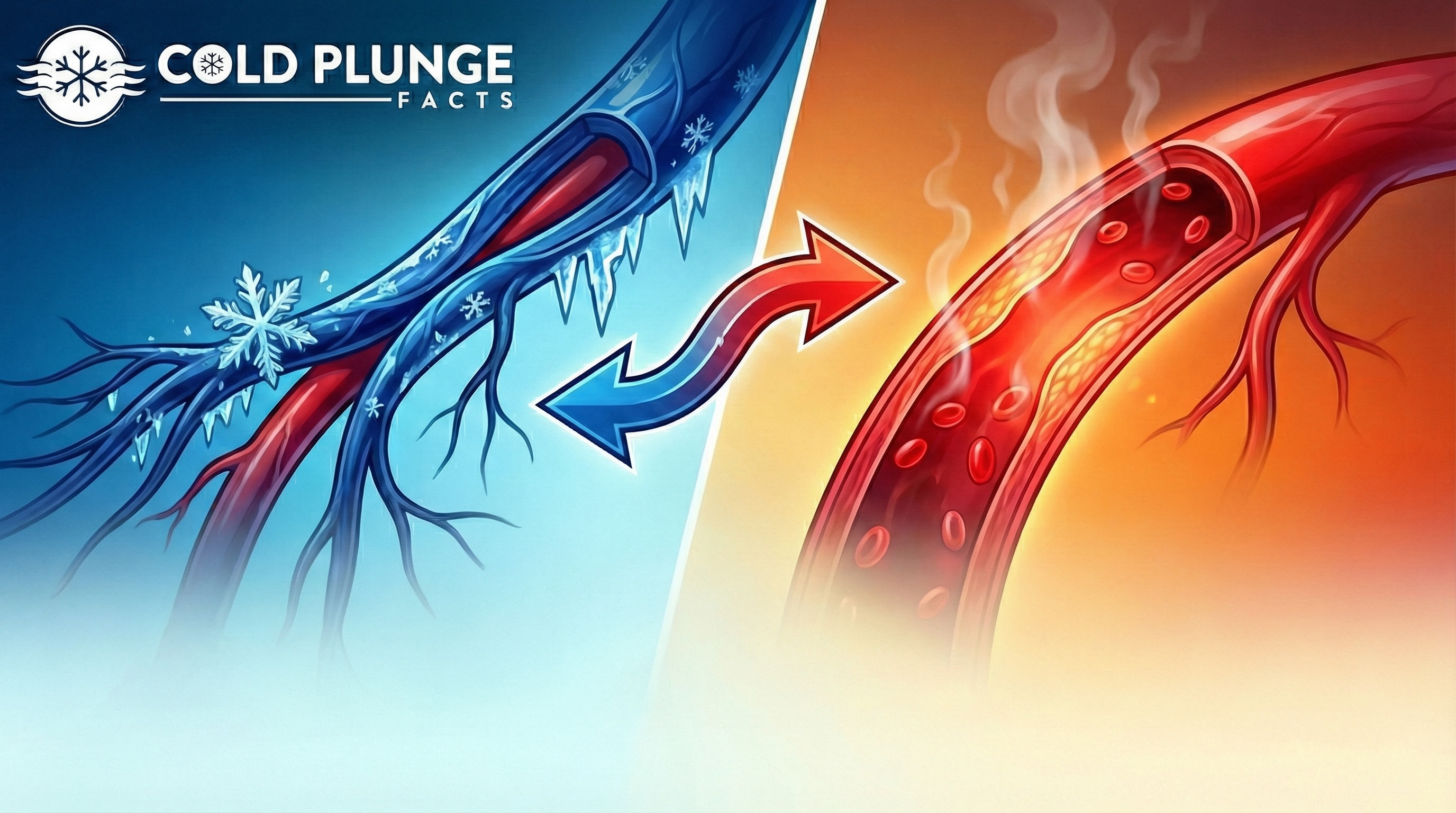
An ice bath is believed to impact blood circulation. As the cold water engulfs the body, blood vessels constrict.
This vasoconstriction can help “flush” waste products from muscles. When one exits the ice bath, blood vessels dilate, allowing fresh, oxygenated blood to replenish the muscles.
Furthermore, frigid temperatures can decrease metabolic activity, reducing tissue breakdown and further aiding in muscle recuperation.
Ice Baths and Muscle Growth

1. Inhibition of Cellular Signals:
Muscle hypertrophy or growth occurs as a result of various cellular and molecular processes.
One crucial component is the activation of satellite cells and the mammalian target of rapamycin (mTOR) signaling pathway, which plays a vital role in protein synthesis.
Some studies have shown that ice baths post-resistance training might inhibit the activation of this pathway, potentially slowing muscle protein synthesis and, consequently, muscle growth.
2. Blunting of Inflammation:
While inflammation might sound negative, it’s an essential part of muscle recovery and growth after a workout.
Inflammation helps activate satellite cells necessary for muscle repair and growth.
By reducing inflammation, which ice baths can effectively do, there might be an unintended reduction in the body’s natural muscle repair and growth processes.
3. Reduced Blood Flow:
Cold water immersion causes vasoconstriction, reducing blood circulation to the muscles.
This reduced blood circulation might limit the delivery of essential nutrients to the muscles after a workout, potentially affecting recovery and growth.
4. Hormonal Impact:
There’s also interest in how cold plunges might affect the hormonal environment in the body after a workout.
While more research is needed in this area, it’s suggested that cold water immersion could impact the levels of certain hormones vital for muscle growth.
What Does This Mean for Athletes and Fitness Enthusiasts?
The potential negative effects of cold plunge on muscle hypertrophy don’t necessarily mean they should be avoided altogether.
It’s about understanding the trade-offs and aligning recovery techniques with specific goals. For example:
Endurance Athletes: Those who prioritize recovery and reduced inflammation over muscle growth might still find ice baths beneficial.
Bodybuilders & Strength Athletes: Those looking to maximize muscle hypertrophy might want to reconsider frequent cold water immersion post-workout or use it strategically, ensuring it doesn’t interfere with their primary goals.

The debate over the benefits and drawbacks of ice baths is ongoing.
While they offer clear advantages in terms of reduced soreness and inflammation, recent studies suggest potential negative impacts on muscle growth post-resistance training.
As always, individual goals, body responses, and the latest scientific evidence should guide decisions around recovery techniques.
The Debate Surrounding Ice Baths and Muscle Recovery
As with many recovery techniques, the efficacy of ice baths in reducing DOMS is a topic of debate.
Pros:
Reduced Inflammation: Cold water immersion therapy has shown potential in decreasing inflammation.
Pain Perception: Frigid temperatures slow nerve conduction velocity, possibly reducing pain.
Mental Resilience: Beyond physical benefits, ice baths can be a test of mental fortitude.
Cons:
Scientific Consensus: Not all studies concur on the universal benefits of ice baths for post-workout recovery.
Potential Hypertrophy Risk: Recently, some studies suggest that cold plunges after a workout can diminish gains.
Final Thoughts: Do Ice Baths Help Sore Muscles?
There’s substantial anecdotal evidence suggesting ice baths help alleviate DOMS.
The process of cold water immersion, especially after a rigorous workout, might stimulate muscle cell activity, reduce tissue breakdown, and aid in faster muscle recuperation.
However, as with all therapies, it’s essential to consult with professionals and understand one’s body before diving into the cold waters of recovery.
With the increasing popularity of ice baths, perhaps it’s time you dipped your toes into the world of cold water immersion therapy.
Whether you’re seeking to reduce DOMS, stimulate muscle cell activity, or simply try out a new after-workout ritual, the cold might just be the warm welcome your muscles need.
If you’re looking to start your cold plunge journey, start here.
⛔️ Looking To Learn More? ⛔️
It’s your lucky day! 😃 Because we’ve created an eBook that includes:
#1: Detailed look at the history of cold plunge use (dating back 5,000 years!)
#2: In depth breakdown of all the benefits of ice baths
#3: Ideal time, temperature, duration and frequency
and much, much more!
Get it for yourself ⬇️
FAQ‘s
Should I Ice Bath Before or After a Workout?
The primary purpose of an ice bath is recovery, but there’s a debate regarding optimal timing.
After Workout Benefits:
Reduce Muscle Soreness: Immersing in an ice bath after exercising can help mitigate the symptoms of delayed onset muscle soreness (DOMS) that you might experience 24-72 hours after a tough workout.
Decrease Inflammation: Strenuous exercise can cause micro-tears in your muscle fibers, leading to inflammation. An ice bath after a workout can help reduce this inflammation.
Enhance Recovery: The vasoconstriction caused by the cold water, followed by vasodilation when you warm up, can enhance blood circulation and aid in flushing out lactic acid and other metabolic waste from your muscles.
Before Workout Considerations:
While it’s less common, some athletes use ice baths before intense activities to invigorate themselves and reduce the risk of injury.
However, regularly taking ice baths pre-workout might reduce the muscles’ temperature, which might not be ideal for activities requiring flexibility, speed, or strength.
How Long Should Ice Baths Be?
The duration of an ice bath depends on its temperature and the individual’s tolerance, but here are some general guidelines:
Temperature: The recommended water temperature for ice baths is typically between 10-15°C (50-59°F).Duration: Immersion should last between 10-20 minutes. It’s crucial not to overdo it, as prolonged exposure can lead to decreased muscle function and even hypothermia.Personal Tolerance: Always listen to your body. If you’re feeling overly uncomfortable or experiencing extreme pain, it’s best to cut the session short.
Is Heat or Ice Better for Sore Muscles?
Both heat and ice therapies have their place in muscle recuperation, depending on the nature and timing of the injury:
Ice for Acute Injuries:
Immediate Relief: Ice is best used immediately after an injury to reduce inflammation and numb the area, which can provide pain relief.
Reduce Swelling: Cold therapy restricts blood flow to the injury, minimizing swelling and tissue damage
Post-Workout: As discussed, ice baths can be beneficial after intense workouts to reduce DOMS.
Heat for Chronic Pain & Relaxation:
Increase Blood circulation: Heat can increase blood circulation, which aids in the healing process by delivering more oxygen and nutrients to the injury.
Relax and Loosen Tissues: Heat therapy can help relax and loosen tissues and stimulate blood circulation to the area. It can soothe and heal damaged tissues, making it effective for muscle pain or stiffness.
Pre-Workout: Some athletes use heat as part of their warm-up to increase muscle elasticity and flexibility