🔮 Let me guess,
You’ve been himming and hawwing over buying one of these “cold plunge things” but can’t justify the price tag.
I feel you. I’ve been there.
and since you’re here, I’m assuming the thought “I can probably just build one myself” has crossed your mind.
Well, lucky for you, the answer is yes!
And the best part is, we’ve done the leg work and tested 6 different methods to building a DIY cold plunge.
Let’s walk you through each one.
📝 OVERVIEW
- DIY cold plunges and their advantages
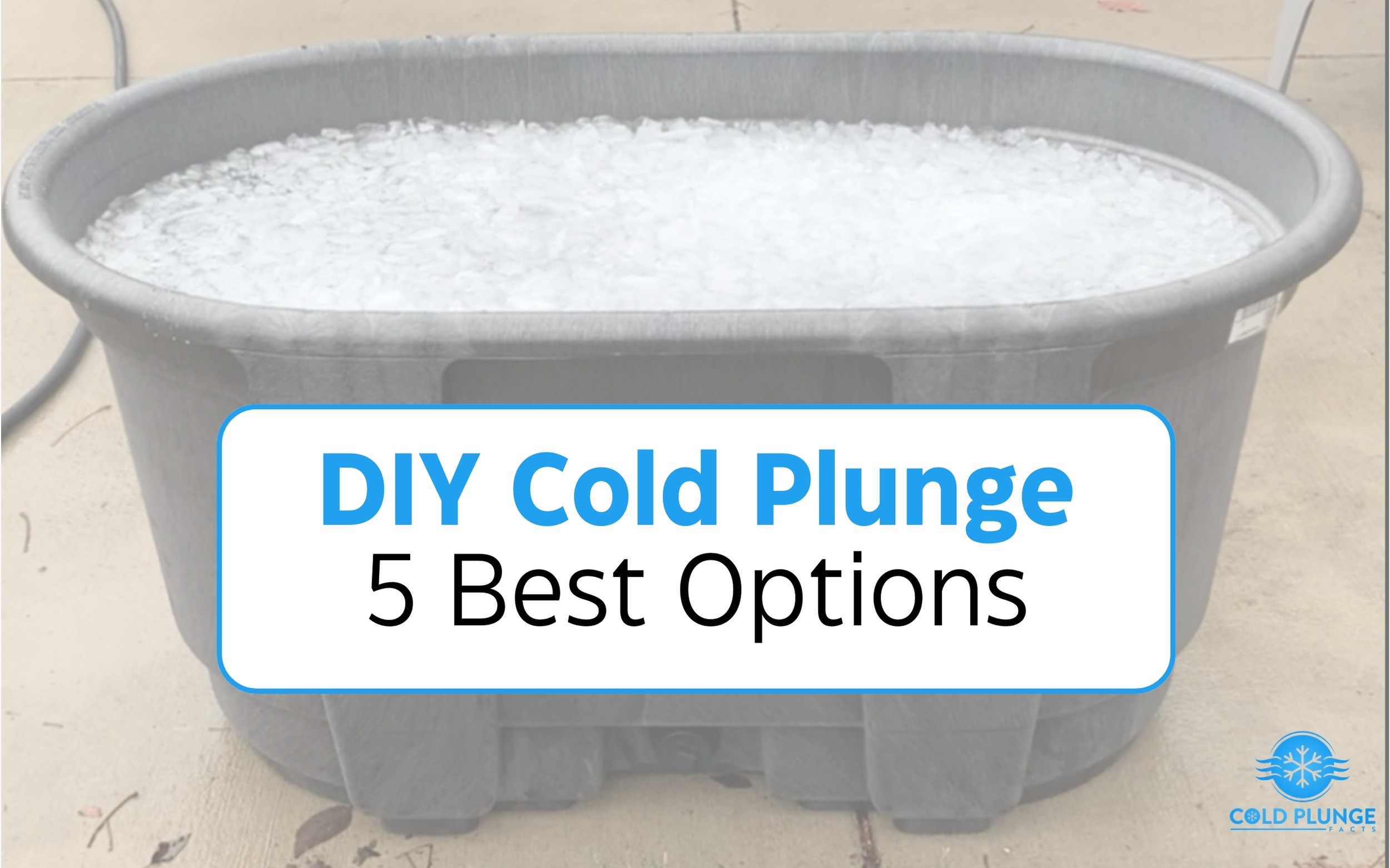
- Cold Plunge Plastic Tub
- Cold Plunge Barrel
- Cold Plunge Pool
- Cold Plunge Chest Freezer
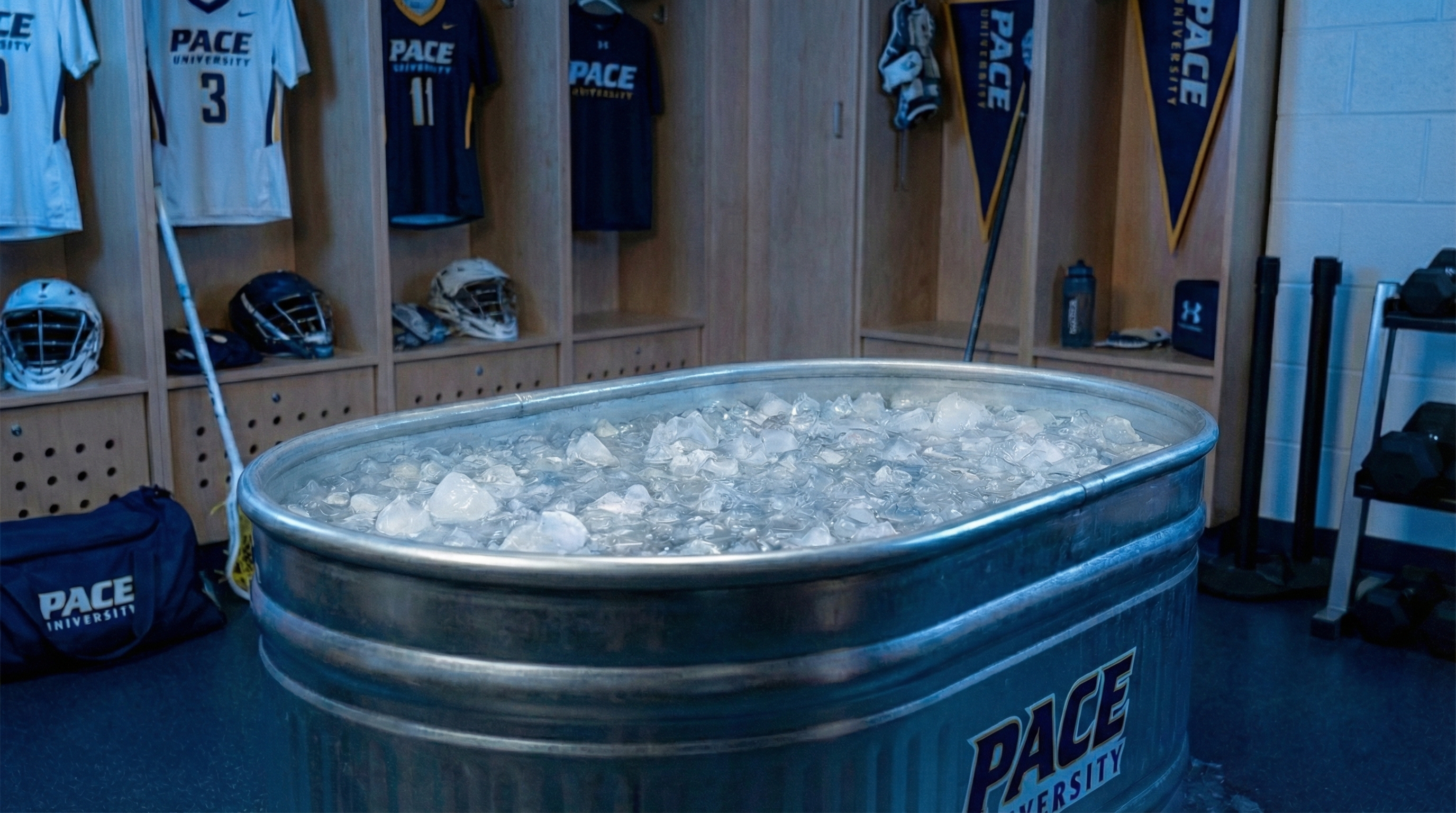
- Cold Plunge Horse Trough (Metal Tub)
DIY Cold Plunge and Its Advantages
A DIY cold plunge is a cost-effective and accessible way to experience the many benefits of cold plunging from the comfort of your own home.
Rather than paying for expensive spa treatments or gym memberships, or paying the premium on a retail cold plinfe, you can build your own cold plunge using simple materials and tools.
There are several advantages to building your own DIY cold plunge:
- You can choose the size, shape, and material of your cold plunge to suit your needs.
- Can save you money in the long run. While commercial cold plunge equipment can cost thousands of dollars, a DIY cold plunge can be built for a fraction of the cost.
- Can be a fun and rewarding DIY project! 😃 It allows you to get creative and experiment with different materials and designs.
In the next sections, we’ll explore different DIY options for building your own cold plunge, and provide step-by-step instructions on how to get started.
DIY Cold Plunge Plastic Tub
If you’re interested in building your own cold plunge, one option is to build a cold plunge tub. This is the most simple and cost-effective option, requiring only a few basic materials and tools.

Materials Needed:
A container: This is typically a large plastic storage bin. Make sure the container is large enough to comfortably fit your body, and sturdy enough to withstand the weight of the water and any additional materials.
Insulation: To keep the water cold, you’ll need some form of insulation. This can be foam insulation, hay bales, or even old blankets.
Ice: Depending on the size of your container and the desired temperature, you may need a large amount of ice. You can buy ice from the store, or freeze your own using ice cube trays or a chest freezer.
Tools Needed:
Saw: You may need to cut the insulation to fit your container unless you use a spray.
Drill: You’ll need to create holes in the container for drainage and any additional features you want to add (unless the container comes with necessary holes already).
Thermometer: To monitor the temperature of the water.
Measuring tape: To measure the dimensions of your container and insulation.
Once you have all of the necessary materials and tools, you can start building your DIY cold plunge tub. In the next section, we’ll provide step-by-step instructions on how to build a simple and effective DIY cold plunge tub.
Instructions:
Choose your container: Select a container that is large enough to comfortably fit your body, and sturdy enough to withstand the weight of the water and any additional materials. Plastic storage bins, stock tanks, and galvanized metal tubs are all good options.
Add insulation: To keep the water cold, you’ll need to add insulation to the container. This can be foam insulation, hay bales, or old blankets. Cut the insulation to fit the container, and make sure it covers the sides and bottom.
Add water: Fill the container with cold water. You can add ice at this point, or wait until the water is in the container and add ice later.
Check the temperature: Use a thermometer to check the temperature of the water. The ideal temperature for a cold plunge is between 50-60 degrees Fahrenheit.
Add ice: If you haven’t already, add ice to the water to reach the desired temperature. You can buy ice from the store, or freeze your own using ice cube trays or a chest freezer.
Add drainage system (optional): If you want to be able to easily drain the water from the container, you can add a drainage system. Use a drill to create a hole in the container near the bottom, and attach a hose or valve to allow for easy drainage.
Use your DIY cold plunge: Once your DIY cold plunge is set up, you can use it to experience the many benefits of cold water immersion therapy. Start with short periods of time, and gradually increase the duration as your body becomes more accustomed to the cold temperature.
Building your own DIY cold plunge tub is a simple and effective way to enjoy the many benefits of cold water therapy from the comfort of your own home. In the next section, we’ll explore other DIY cold plunge options, including a DIY cold plunge barrel and a chest freezer ice bath.
DIY Cold Plunge Barrel
If you’re not looking to spend top dollar on a pre-made Ice Barrel but still want a more rustic and affordable option for a DIY cold plunge, a barrel can be a great choice. Here’s what you’ll need to build your own DIY cold plunge barrel:

Materials Needed:
Barrel (e.g., whiskey barrel or wine barrel)
Insulation (e.g., foam insulation or hay bales)
Liner (e.g., pond liner or pool liner)
Ice
Drainage system (optional)
Tools Needed:
Saw
Drill
Screwdriver
Measuring tape
Instructions:
Choose your barrel: Select a wooden barrel that is large enough to comfortably fit your body, and that can hold water without leaking. Whiskey barrels and wine barrels are popular options, but you can also use a barrel that has been repurposed from another use.
Add insulation: To keep the water cold, you’ll need to add insulation to the barrel. This can be foam insulation or hay bales. Cut the insulation to fit the barrel, and make sure it covers the sides and bottom.
Add liner: Next, add a liner to the inside of the barrel to prevent leaks. You can use a pond liner or pool liner, and make sure it covers the bottom and sides of the barrel.
Add water: Fill the barrel with cold water. You can add ice at this point, or wait until the water is in the barrel and add ice later.
Check the temperature: Use a thermometer to check the temperature of the water. The ideal temperature for a cold plunge is between 50-60 degrees Fahrenheit.
Add ice: If you haven’t already, add ice to the water to reach the desired temperature. You can buy ice from the store, or freeze your own using ice cube trays or a chest freezer.
Add drainage system (optional): If you want to be able to easily drain the water from the barrel, you can add a drainage system. Use a drill to create a hole in the bottom of the barrel, and attach a hose or valve to allow for easy drainage.
Use your DIY cold plunge: Your DIY cold plunge barrel is now ready to use! Enjoy the many benefits of cold water immersion therapy, starting with short periods of time and gradually increasing the duration as your body becomes more accustomed to the cold temperature.
Building your own DIY cold plunge barrel can be a fun and rewarding project that adds a touch of rustic charm to your backyard or outdoor space.
Remember to always be cautious when using cold water immersion therapy, and to listen to your body’s signals to avoid injury or overexertion. In the next section, we’ll explore another DIY option: the Cold Plunge Pool.
DIY Cold Plunge Pool
Another option for a DIY cold plunge is to build a plunge pool.
A plunge pool is a smaller and shallower version of a regular swimming pool, and it can be a great way to cool off after a workout or on a hot day.
Building a plunge pool requires more materials, space and money than building a tub or a barrel, but it can be a great, aesthetic addition to any backyard.

Materials Needed:
Shovel or excavation equipment
Concrete blocks or bricks
Concrete mix
Waterproof liner or pool shell
Pump and filter (optional)
Tools Needed:
Measuring tape
Level
Trowel
Rubber mallet
Note: Before beginning any excavation or construction, it is important to check with your local zoning or building department to ensure you comply with any necessary permits or regulations.
Instructions
Building a plunge pool requires more effort than building a tub or a barrel, but the end result can be a refreshing and rewarding addition to your backyard. Here are the step-by-step instructions on how to build a DIY cold plunge pool:
Plan the location and size of your plunge pool. Choose a level area with adequate space for your desired pool size. The standard size for a plunge pool is 7 to 8 feet in diameter and 4 feet deep, but you can adjust the dimensions to your preference.
Excavate the area where you want to build your plunge pool. Use a shovel or excavation equipment to dig a hole that is at least 6 inches deeper and wider than your desired pool size. Use a level to ensure that the bottom of the hole is even.
Build the pool wall. Use concrete blocks or bricks to create a sturdy and level wall around the perimeter of the pool. Be sure to use a level to ensure that the wall is even and plumb.
Mix and pour the concrete. Follow the instructions on your concrete mix to create the proper consistency. Pour the concrete into the pool area, making sure to fill the gaps between the blocks or bricks. Smooth the surface with a trowel and let it dry for at least 24 hours.
Install the waterproof liner or pool shell. Choose a waterproof liner or pool shell that fits the size and shape of your plunge pool. Place the liner or shell inside the pool and smooth out any wrinkles or air pockets. Trim the excess material around the edges of the pool.
Install the pump and filter (optional). If you want to keep your plunge pool clean and clear, install a pump and filter system. Follow the manufacturer’s instructions for installation and maintenance.
Fill the pool with water. Use a garden hose or other water source to fill the pool with cold water. Add ice cubes or frozen water bottles to achieve your desired temperature.
Enjoy your DIY cold plunge pool! Once the pool is filled, it’s time to take the plunge and enjoy the refreshing benefits of cold water therapy.
Next, onto a fan favourite, the Cold Plunge Freezer.
DIY Cold Plunge Freezer:
If you don’t have the space or time to build a cold plunge tub, barrel, or pool, you can still enjoy the benefits of cold water therapy with a DIY cold plunge freezer.
We love the chest freezer but it’s so discrete and has excellent insulation built right in.
Here are the materials and tools you’ll need to make your own:

Materials Needed:
Chest freezer (at least 5 cubic feet)
PVC pipe (2-inch diameter)
PVC end caps (2-inch diameter)
PVC cement
Silicone sealant
Drill with 2-inch hole saw
Jigsaw
Handsaw
Sandpaper
Tape measure
Marker
Tools Needed:
Water source (hose or bucket)
Electrical outlet
Extension cord (if needed)
Level
Screwdriver
Wrench
Instructions
Converting a chest freezer into a DIY cold plunge freezer is a relatively simple process that can be completed in just a few hours. Follow these step-by-step instructions to create your own:
Choose the right chest freezer: Look for a chest freezer that is at least 5 cubic feet in size and has a flat lid. You’ll also want to ensure that the freezer is in good working condition.
Plan the location: Decide on a location for your cold plunge freezer. It should be close to a water source and an electrical outlet. You may need to use an extension cord to reach the outlet.
Prepare the lid: Remove any hardware from the lid of the freezer, including hinges and latches. Use a marker to outline the location of the PVC pipe on the lid.
Cut the hole: Use a drill with a 2-inch hole saw to cut a hole in the lid of the freezer where you marked it with the marker.
Install the PVC pipe: Cut a section of PVC pipe to fit the depth of the freezer, leaving enough room for the end caps. Apply PVC cement to one end of the pipe and attach an end cap. Repeat for the other end.
Install the PVC pipe: Apply silicone sealant around the hole in the lid and insert the PVC pipe into the hole. Use sandpaper to smooth any rough edges.
Fill the freezer: Fill the freezer with water to the desired level, and add ice cubes to speed up the cooling process.
Connect to power: Plug in the freezer and turn it on. Wait for the water to reach the right temperature, typically around 50°F.
Enjoy the benefits: Once the water has reached the right temperature, you’re ready to enjoy the benefits of cold water therapy. Take a plunge and feel the rush of increased blood flow and reduced inflammation.
By following these step-by-step instructions, you can create a DIY cold plunge freezer that will provide a quick and easy way to experience the benefits of cold water therapy from the comfort of your own home.
Instructions
Choose a container: Start by choosing a large container that will hold enough water for a cold plunge. A stock tank or old bathtub can work well for this purpose. Make sure the container is large enough to fit your chiller unit and has a drain for easy water changes.
Install the chiller unit: Install the water chiller unit inside the container according to the manufacturer’s instructions. The chiller unit will keep the water at a cold temperature.
Cut the PVC pipes: Cut the PVC pipes to the correct length using a saw or pipe cutter. You will need one pipe to connect the chiller unit to the pump and another to return the water back to the container.
Drill holes: Drill holes in the side of the container near the bottom. One hole will be for the intake hose that will draw water from the container to the chiller unit, and the other hole will be for the outflow hose that will return the water to the container.
Install the PVC pipes: Connect the PVC pipes to the chiller unit and the pump using PVC fittings. Place the pump near the intake hole and connect it to the intake hose. Attach the outflow hose to the other PVC pipe and connect it to the hole near the bottom of the container.
Fill the container: Fill the container with water and turn on the chiller unit and pump. Wait for the water to cool down to the desired temperature.
Add ice: If you want to further lower the temperature, you can add ice cubes to the water. Be sure not to overfill the container or it may overflow.
Enjoy the cold plunge: Once the water has reached the right temperature, you can enjoy a refreshing cold plunge in your very own DIY cold plunge chiller.
Note: If you’re using a refrigerator compressor, you may need to add additional components such as a heat exchanger and a temperature controller to regulate the temperature of the water. It’s important to follow the manufacturer’s instructions carefully and ensure that all electrical connections are safe and secure.
DIY Cold Plunge Horse Trough
If you’re looking for a larger DIY cold plunge option, a horse trough might be the perfect fit for you.
This is a great option for those who want to accommodate multiple people at once or have a larger space to work with.
Here are the materials and tools you’ll need to build your own DIY cold plunge horse trough:

Materials Needed:
Horse trough (galvanized steel or polyethylene)
Water pump
PVC piping
Plumbing valves and fittings
Pool filter
Pool chemicals (optional)
Tools Needed:
- Drill
Hole saw
Pipe cutter
Wrench
Screwdriver
Saw
Note: When selecting your horse trough, make sure it’s big enough to accommodate your needs and fits in your desired location. A 100-gallon trough should be enough for a single-person cold plunge.
Now, let’s move on to the step-by-step instructions on how to build your DIY cold plunge horse trough.

GET 25% OFF ANY COLD PROTOCOL PRODUCT WITH CODE “COLDPLUNGEFACTS”
Instructions:
- Prepare the Horse Trough: First, clean the horse trough thoroughly with soap and water. If your horse trough is galvanized steel, you may need to sand it down to remove any rust or rough spots.Rinse the trough with water and let it dry completely.
- Drill Holes for Plumbing: Using a drill and a hole saw, create holes for the plumbing valves and fittings.You will need two holes, one for the water inlet and one for the water outlet.
- Install the Water Pump and Plumbing: Install the water pump inside the horse trough using suction cups or brackets to secure it in place. Connect the pump to the plumbing fittings using PVC piping and plumbing valves. Make sure to use waterproof sealant to prevent leaks.
- Add Water: Fill the horse trough with water. If desired, you can add pool chemicals to keep the water clean and prevent bacteria growth.
- Install a Pool Filter and Pump (Optional): If you want to keep the water clean and filtered, you can install a pool filter and pump. Connect the filter and pump to the plumbing using PVC piping and plumbing valves.Make sure to follow the manufacturer’s instructions for installation and maintenance.
Conclusion
In addition to the satisfying feeling of taking a cold plunge after a workout, DIY cold plunges have many potential health benefits.
Regular cold exposure has been shown to boost the immune system, reduce inflammation, improve sleep, and aid in weight loss.
Below is a recap of the DIY cold plunge options and equipment discussed earlier in this article, as well as their specific benefits:
DIY Cold Plunge Tub: This option is a great choice for those with limited space or a smaller budget. It can also be easily customized to fit specific preferences. The cold plunge tub can help to reduce muscle soreness and increase blood flow.
DIY Cold Plunge Barrel: The cold plunge barrel is a sturdy and durable option that can withstand harsh outdoor conditions. It provides a refreshing way to cool down on hot days, and can aid in reducing inflammation.
DIY Cold Plunge Pool: A larger option that provides more room to move around and relax, the cold plunge pool offers a spa-like experience in the comfort of your own home. It can improve circulation and help to reduce stress.
DIY Cold Plunge Freezer: A chest freezer ice bath is an excellent option for those who want a quick and easy way to chill their cold plunge. It can help to reduce swelling and soreness in the muscles, and boost the immune system.
DIY Cold Plunge Horse Trough: A budget-friendly option that provides ample space for multiple people to take a dip, the horse trough cold plunge can aid in reducing inflammation and improving cardiovascular health.
When it comes to DIY cold plunges, there are plenty of options to choose from. Regardless of which option you choose, adding a cold plunge to your routine can provide numerous health benefits and a refreshing way to cool down after a workout.
With these DIY tips and tricks, you can create your own DIY cold plunge and experience the many benefits of cold water therapy.
Our Recommendation
If you’re looking for a quick and easy way to cool down, reduce inflammation, and enjoy the many benefits of cold water therapy, a DIY cold plunge might be just what you need.
With the right materials and tools, you can easily build your own cold plunge tub, barrel, pool, or freezer, and enjoy the health benefits of cold thermogenesis from the comfort of your own home.
Whether you’re an athlete looking to speed up recovery time and reduce soreness, or simply someone who wants to improve their sleep, boost their immune system, and increase their overall sense of well-being, a DIY cold plunge is a great way to achieve your health goals.
With the step-by-step instructions and tips provided in this ultimate guide, you’ll have all the information you need to get started on your own DIY cold plunge project.
So go ahead, create your very own cold plunge and experience the amazing health benefits of cold water therapy for yourself.
⛔️ Looking For The Perfect Tub? ⛔️
It’s your lucky day! 😃 Because we’ve created a tool that:
Step #1: Takes all your needs into consideration
Step #2: Examines all the cold plunges on the market
Step #3: Recommends the perfect cold plunge for you!
Don’t believe us? Try it out for yourself ⬇️


Hey cold plunge/sauna junkies!
My name is Adam, I grew up in Ontario, Canada. I have my Bachelors of Business from the Lazaridis school of Business and Economics, and now reside in Collingwood, Ontario, Canada. ❄️
Now, I am lucky enough to work on the blog full-time for my readers (that’s you) and exercising (pun intended) my passion for cold plunging, sauna, working out, business and learning. 😃